Posts by Leigh Edmonds
Loire-Nieuport LN.411 in 1/72 by Azur
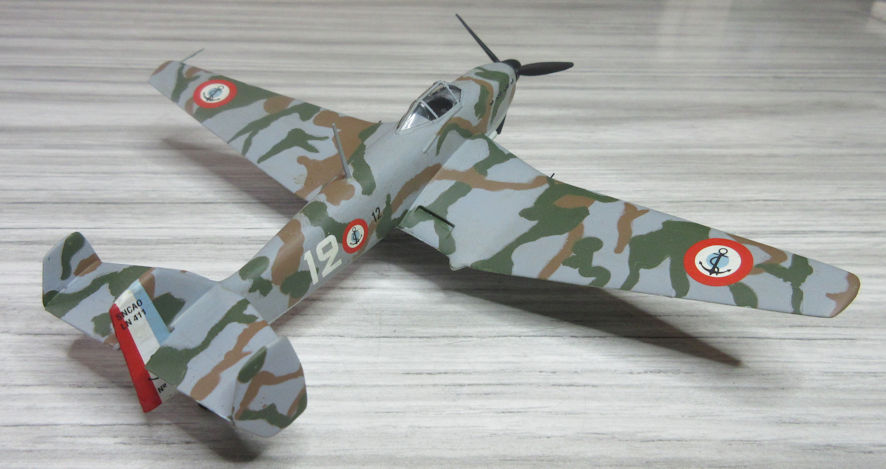
During the 1930s many of the world’s leading aviation nations, Germany, the United States, Britain and Japan became interested in the idea of dive bombing. Since the beginning of military aviation delivering a bomb onto the target accurately had been all but impossible except under ideal circumstances so the idea of using an aeroplane diving…
Read MoreLoire et Olivier H.43 in 1/72 by Dujin
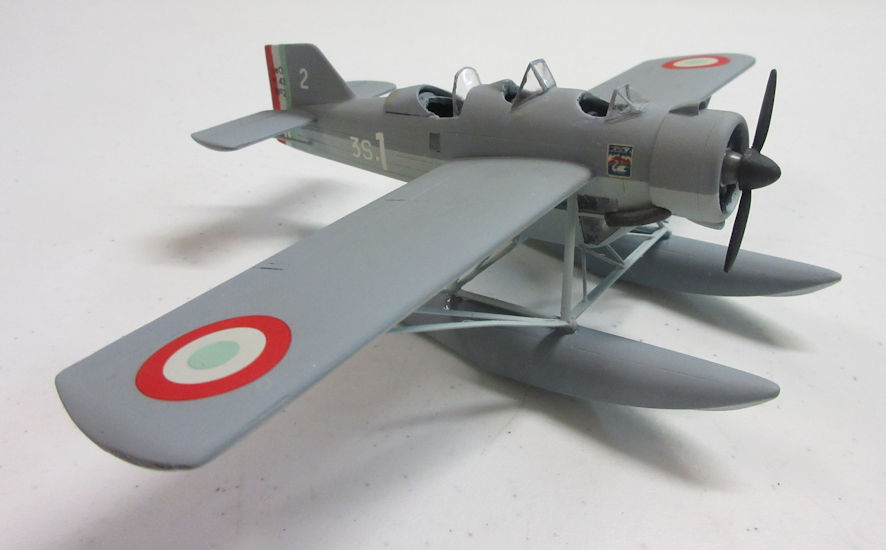
People who say that French inter-war aeroplanes are ugly are sometimes (not always, but sometimes) right. But in cruising the internet looking for information and pictures of this obscure little French aeroplane I came across yet more of these ignorant and uninformed comments. The Liore et Olivier H.43 might have been many things – obsolete…
Read MoreBlackburn Skua II in 1/72 by Novo (Frog)
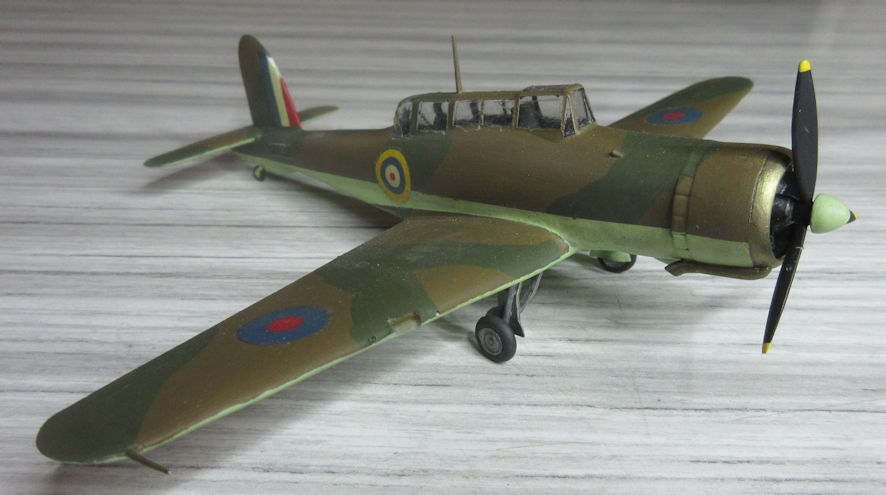
Like most naval air forces, the British Fleet Air Arm languished well behind ground based air forces when it came to new developments in aeronautical technology. Well into the final years of the 1930s it’s main aeroplanes were biplanes while on the land all-metal monoplanes became the order of the day. In April 1935 tenders…
Read MoreThe Curator’s Choice 003 – Interesting Prototypes
Interesting Prototypes Dassault Mirage I – Saunders Roe SR A/1 – Aichi B7A1 (Grace) To save myself the confusion of last week I this week locked myself in the Experimental and Prototype Gallery because I think that is where the most interesting aircraft shapes are to be found. This made finding three interesting aircraft easier,…
Read MoreAdditions to the Museum’s Collection – 002, 6 March 2022
This week’s additions to the museum’s collection seems to have a definite French inclination. Bleriot IX in 1/72 by Eastern Express, an old Frog kit from the year 1965. Consolidated LB-30 converted from the old Crown 1/144 kit with engines from a couple of Roden AC-47 kits and Qantas Empire Airways decals from Hawkeye. Convair…
Read MoreDewoitine 500 in 11/72 by Smer
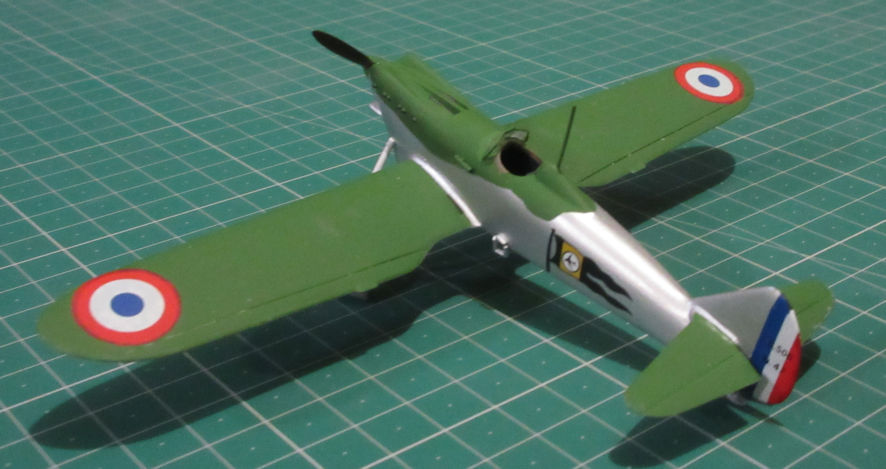
In 1930 the French Service Technique de l’ Aéronautique issued specifications that would give the air force a new fighter capable of matching anything else in the air. In typical French style eleven basic designs were selected for development and a total of thirteen prototypes from ten different companies were eventually built for the competition.…
Read MoreDeHavilland DH-86 in 1/144 by Arctic Decals
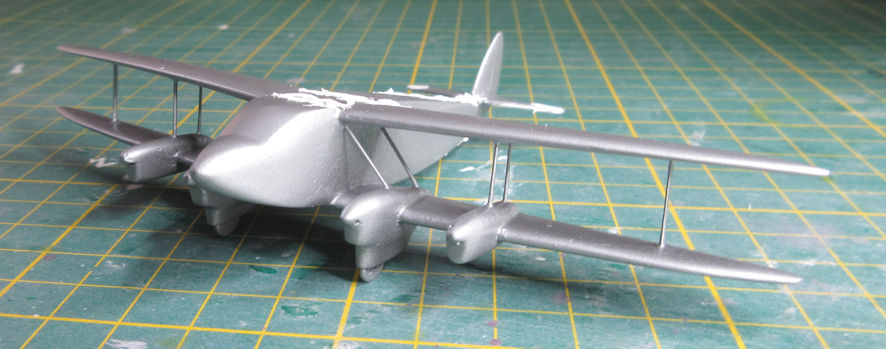
The deHavilland DH-86 is a very important airliner in Australia’s air transport history because it marked a new beginning in the 1930s. Before that, the country’s airlines had flown a variety of smaller aeroplanes on air mail routes in remote areas. In 1933 the Australian government agreed with the British government to set up an…
Read MoreDassault Mirage 2000C in 1/72 by Airfix
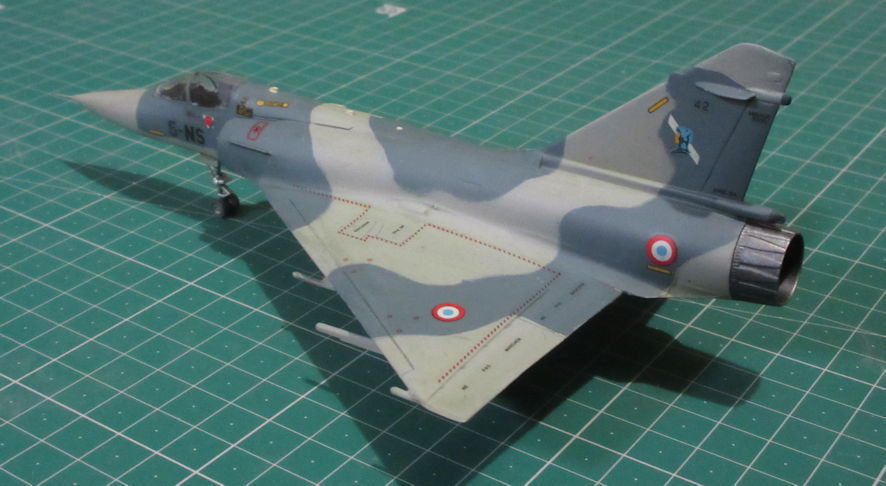
Marcel Bloch, who had made a name for himself as a designer of first class aeroplanes before World War Two, returned to the field after spending the German occupation in the resistance with a new name, Marcel Dassault. In the 1950s his company designed and produces one of the world’s great fighters of that time,…
Read MoreBleriot XI in 1/72 by Eastern Express (Frog)

A few weeks ago I was reminded of a talk I gave at a dinner held to mark the centenary of the Wright Brother’s first flight in December 1903. Looking at the famous photo of that flight reminded me that one of the first models my parents bought for me as a present was the…
Read MoreThe Curator’s Choice 002 – Three Airliners in Three Decades
Three Airliners in Three decades Farman 60 – Junkers Ju90 – Short Sandringham This is not as easy as I thought it would be; pick three models, write a little about them and drop in a picture. What could be easier? Not so, I’ve discovered. The trouble is that even though there is now only…
Read MoreAdditions to the Museum’s Collection – 001, 27 February 2022
The new additions to the museum’s collection are a mixed batch, three Japanese World War II fighters, a couple of gliders, a couple of unlikely experimental aircraft and a few more. Kawasaki N1K1 (Rex). A Japanese floatplane fighter. Kawasaki N1K1-J (George). An Imperial Japanese Navy fighter. Kawanishi N1K2-J (George).…
Read MoreSNECMA C.450 Coleoptere in 1/72 by Mach 2
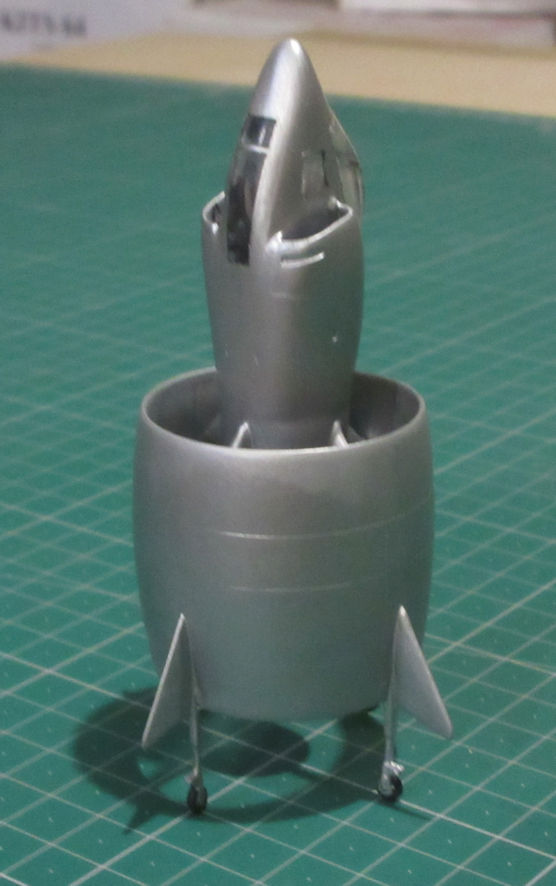
During the 1950s many countries and companies experimented with vertical take-off and landing aeroplanes. If successful they would enable air forces to operate fleets of aircraft that did not need large aerodromes and vulnerable runways so they would be able to disperse their aeroplanes more widely so they would be less vulnerable to attack. Despite…
Read More